-
Tian Dong Industrial Park, Decheng District Economic and Technological Development Zone, Dezhou City

Using Ground Protection Mats on Frozen Ground and Snow
Man, winter wrecks timelines. I’ve shown up at sites where crews were stuck (literally) because nobody bothered to think about the snow and ice underfoot—and guess what? A rack of matting gets you through that shit. Some mornings, the ice crust looked like a skating rink. Zero traction. Everything halts. So we adapted. And that’s the ugly truth contractors learn the hard way.
Table of Contents
Consider that ~45% of construction projects worldwide see their timelines stretched by freezing weather, with durations creeping out by around 25.7% because ground work and site access break down in subzero conditions. That’s not insider whisper bullshit—that’s reality from a winter impact report.
I’m not preaching theory here. I’m talking about ground protection mats you actually deploy—and how they behave when the mud settles into ice, and ice melts into mud again. You’d be surprised how often guys just throw cheap mats down and call it a day (spoiler: that doesn’t cut it when it’s freezing).
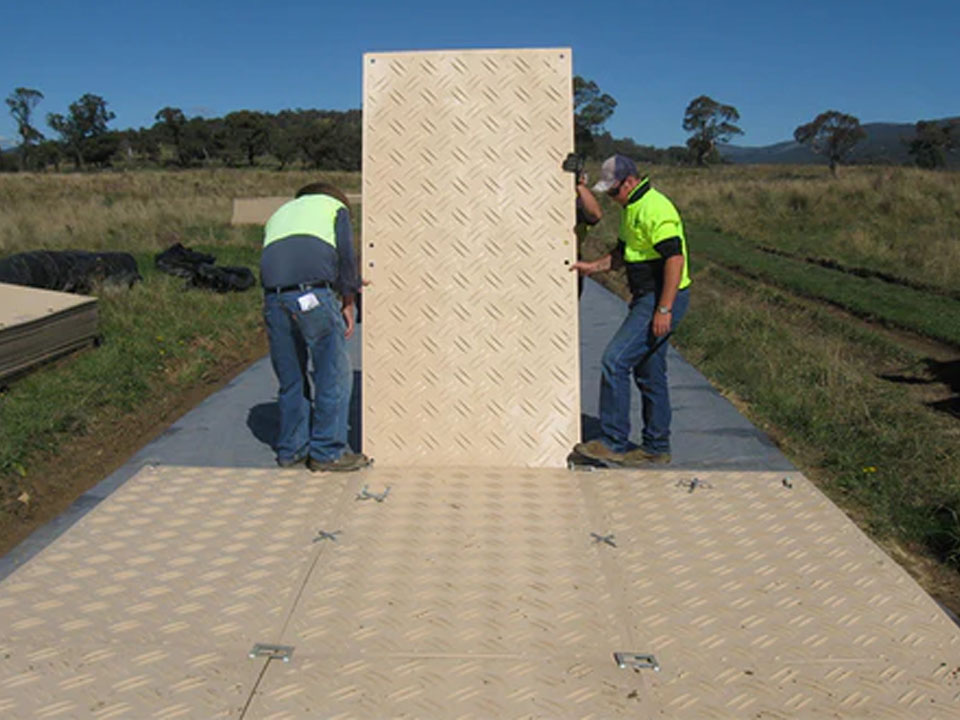
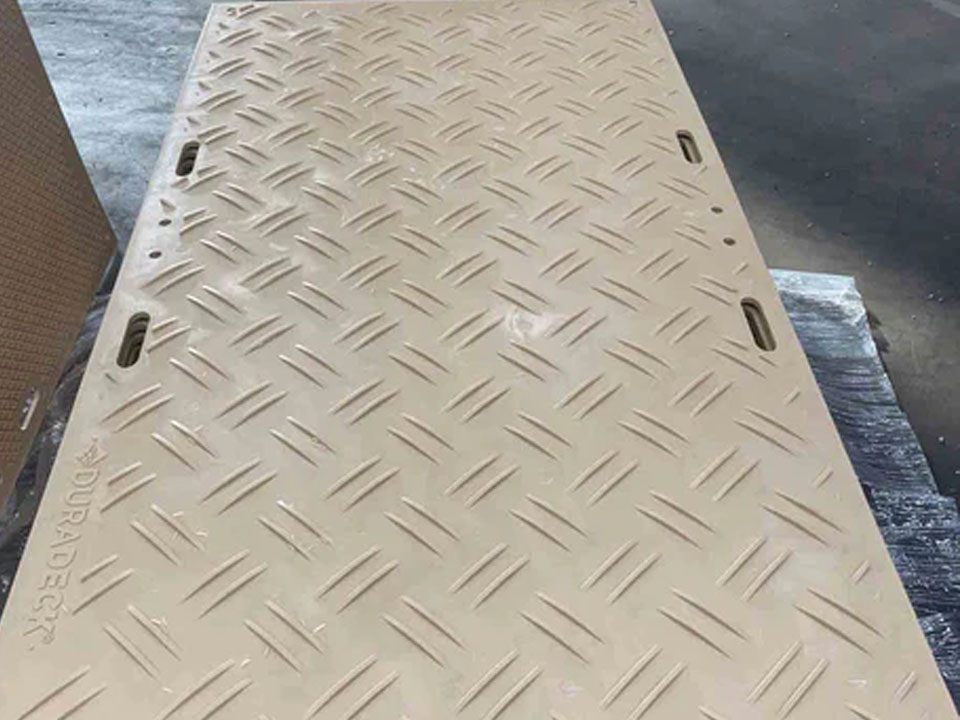
But what even are these mats in practice? Think rugged panels (like other contractors swear by) that let you create haul roads, safe walkways, and staging areas—even when the ground below is uncooperative. Some mats (HDPE‑based) give you traction under snow while shielding soil from rutting and collapse.
Still confused? Then let me hit you with the mechanics.
I’ve had crews tell me that laying random sheets over snow felt like putting plywood on ice. Did it protect the ground? Sorta. Did it stop slips? Nope. You need mats with textured, aggressive treads that bite into snow and ice, and materials rated to stay flexible in negative temps (most poly sheets will crack if it drops too far). That’s not a hunch—that’s straight from product specs.
So when you position mats, it’s not just laying them end‑to‑end. You design a load‑bearing path—a continuous route that vehicles and crews can trust. Gaps? Those are slip zones. I learned this when a mid‑winter delivery truck slid off exactly where someone hadn’t overlapped mats properly. It cost hours and teeth‑gnashing.
The Real Comparison You Need
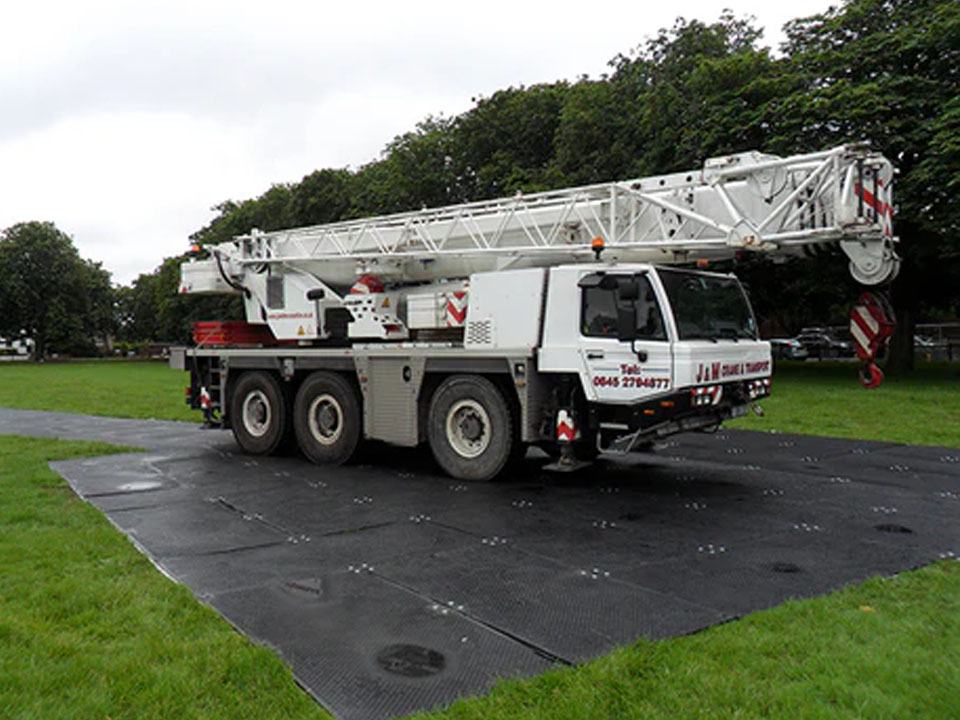
Here’s a chart that’s not lifted from some brochure—but from what I’ve seen tested against frozen terrain and snowbound job conditions:
| Feature | Winter‑Rated Poly Mats | Standard Poly Mats | Heavy Rubber/Traction Mats |
|---|---|---|---|
| Cold flexibility | High (rated for freeze) | Low (brittle under cold) | Very High (rubber grips even at subzero) |
| Snow/ice traction | Moderate‑High | Low | Very High (deep tread) |
| Interlocking / coverage | Good | Poor | Excellent |
| Load support | Moderate | Moderate | High |
| Best for Frozen Ground | Yes | No | Yes |
This isn’t random: it matches actual use on wintry sites where only the mats with aggressive grip and frost‑flexible materials kept vehicles from spinning tires and jobs from grinding to a halt.
Contracts, Chaos, and Case Studies
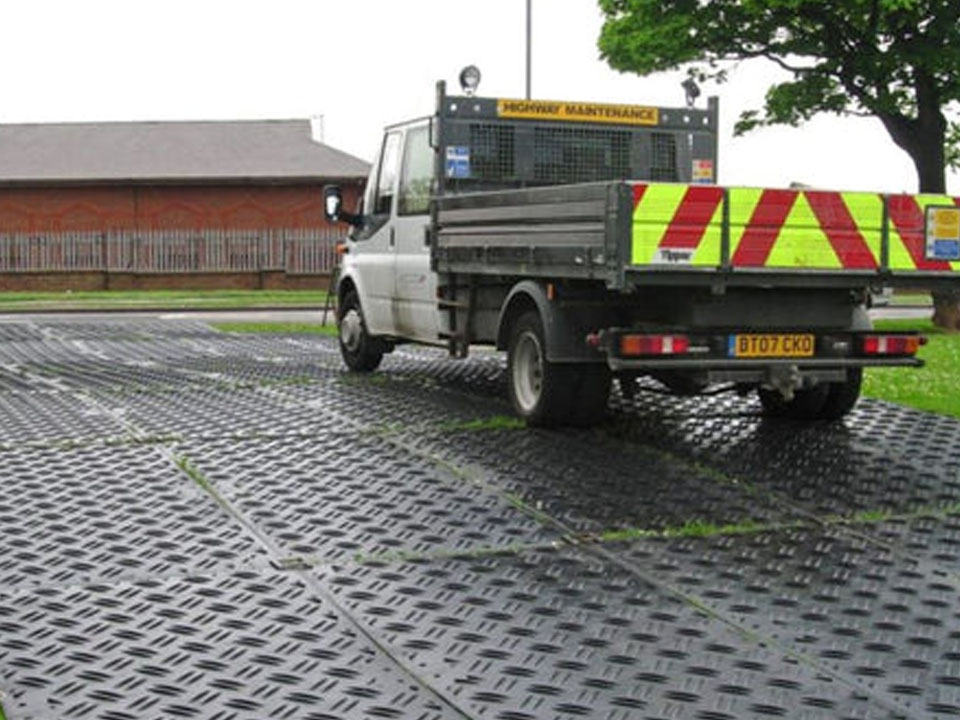
Picture this: a contractor in British Columbia, Canada dealing with daily freeze‑thaw cycles. Left alone overnight, pathways iced over hard. By midday, slush. Repeat. But dropping Armour Grip‑Terra Mats over critical walk zones meant paths didn’t turn into slip slides each dawn, and crews didn’t waste hours repositioning mats—just shook off snow and went back to work.
That’s not a glossy sales pitch—that’s real field feedback about reduced maintenance and retained grip through freeze‑thaw patterns that otherwise tank productivity.
Listen, I’ve seen what happens when someone cheaps out on mat quality: brittle breaks, ripped mats, schedule deadlocks, pissed‑off crews. I also saw a job where the right mats kept plural excavators running through snow, and the crew actually finished early because they planned for winter conditions instead of reacting to them.
Some Hard Lessons
You can’t just drop whatever mats you find on Amazon and hope they magically create traction on ice.
Watch this instead:
- Temperature rating matters. If mats crack at -10°F, they’re useless on a Canadian winter project.
- Traction design isn’t optional. Smooth mats are slip traps when snow compacts to ice.
- Layout strategy is a thing. Continuous, overlapped paths cut slip points.
And yeah, don’t get me started on crews who say “we’ll clear snow as we go.” Half the time, snow compacts faster than you can shovel, and you’re right back on slippery hardpack.
Let’s get into the specifics you always ask about.
FAQs
What are ground protection mats on frozen ground and snow? They’re physical panels you lay over snowy or frozen soil to give vehicles and people a stable, slip‑resistant surface for safe movement—keeping equipment access and crew footing reliable (even when conditions look sketchy).
How do ground protection mats improve traction on icy terrain? Mats engineered for winter use have aggressive tread patterns and cold‑flex materials that provide grip against slippery ice and compacted snow so wheels and boots don’t slip.
Are ground protection mats good for heavy equipment in winter? Yes—if you pick mats rated for heavy loads and cold flexibility. Cheap, non‑rated mats may crack or shift under big machinery, but a heavy rubber or winter‑rated poly panel won’t let that happen.
How should I lay mats for winter site access? Think continuous, overlapped runs that eliminate gaps where snow sneaks underneath. Fill those ice paths first, then top them with mats. It’s messy, but it’s the way experienced crews stay safe and moving.
Look—I don’t soften this. Ground protection mats are necessary, not just convenient, when your schedule faces snow, ice, and frozen ground. If you want predictable winter progress, start with a plan and products built for the conditions.
If you’re locked into a cold‑weather project now, don’t wait. Get serious about your mat system—things like Base Mat heavy duty ground protection road mat supplier and Amphi Mat eco‑friendly road ground protection mat wholesaler are examples of industry‑grade tools you actually use in winter work. And if you need traction and traction strategy, the snow won’t wait.
Ready to keep your winter project on schedule and your crew on its feet? Let’s talk choices—and get this done the right way.