-
Tian Dong Industrial Park, Decheng District Economic and Technological Development Zone, Dezhou City

How Long Do Crane Mats and Outrigger Pads Really Last
Three years. That’s the honest answer I give when someone demands a single number—because the “life” of a mat or pad is really a fatigue story (load cycles + edge damage + storage abuse) layered on top of ground mechanics (bearing capacity, slope, water content) that most crews still treat like vibes. So what are we even buying here: lifespan, or risk transfer?
Table of Contents
I’m going to be blunt: a huge share of “mat failures” are actually ground failures that get blamed on the mat because that’s what’s visible after the crane starts leaning.
Look at OSHA’s April 2024 write-up of an October 2023 incident on Florida’s SR-417 ramp: a 110 Liebherr crane tipped when “an outrigger gave way,” and OSHA cited the contractor for not ensuring ground conditions were adequate (and proposed $16,131 in penalties). OSHA investigation and penalties summary. That’s not a “bad mat” fairy tale. That’s a planning and verification failure, with a price tag and a body count.
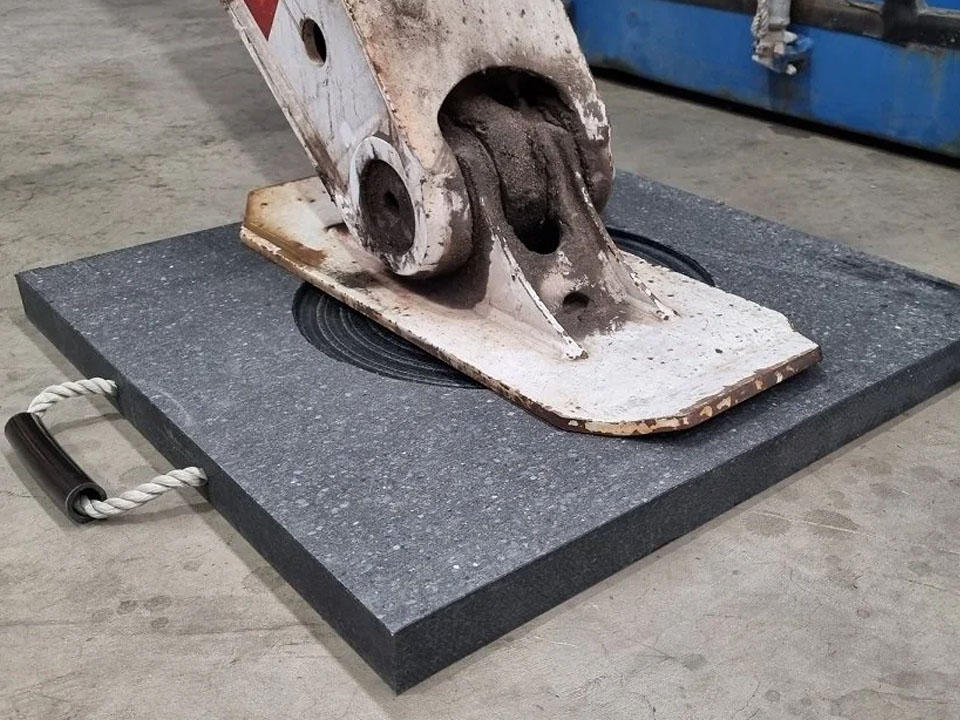
The uncomfortable truth about “service life”
Crane mats (timber or composite) and outrigger pads (often UHMWPE/HDPE) don’t die of old age. They die of:
- Edge trauma (fork tines, chains, dragged corners, bolt-hole tear-out)
- Crushing + creep (high contact pressure, long holds, repeated picks)
- Moisture + freeze/thaw (timber checking, rot at fasteners, delamination in laminated builds)
- UV + heat cycling (polymers get chalky, warp, or soften under bad storage)
- Bad ground assumptions (soft subgrade, hidden voids, saturated fill, slope)
And if you want a regulatory anchor, OSHA literally puts ground responsibility on the employer. The text of 29 CFR 1926.1402 is the north star: ground must be firm, drained, and graded, and you don’t get to outsource that duty to the mat vendor. 29 CFR 1926.1402 (Cornell LII).
What “lasts” means in procurement terms
If you’re doing capex planning or setting warranties, stop thinking in “years” first. Think in duty class:
- Duty Class A (light/rare): occasional small crane, short picks, controlled staging, clean storage
- Duty Class B (rental-normal): frequent moves, mixed terrain, average crew handling
- Duty Class C (abusive/heavy): big loads, constant repositioning, rough access roads, wet sites, poor yard discipline
Now layer in material realities.
Timber crane mats longevity: durable… until they aren’t
Timber can last a long time if it’s treated like engineered lifting gear and not like scrap wood. But timber also hides damage: internal crushing, moisture-driven checking, fastener rot. And once the edges go, the mat’s “usable area” shrinks fast.
Composite mats and UHMWPE pads: better consistency, different failure modes
UHMWPE is still polyethylene chemically—repeat unit (C₂H₄)ₙ—but with molecular weights in the millions, which is why abrasion and impact performance can be excellent. Britannica on UHMWPE molecular weight. But polymers have their own ugly corner: creep under sustained load and heat sensitivity if stored wrong.
If you’re selling UHMWPE-based support products, your internal linking should point users toward material-specific options and use cases, not generic catalog pages. For example:
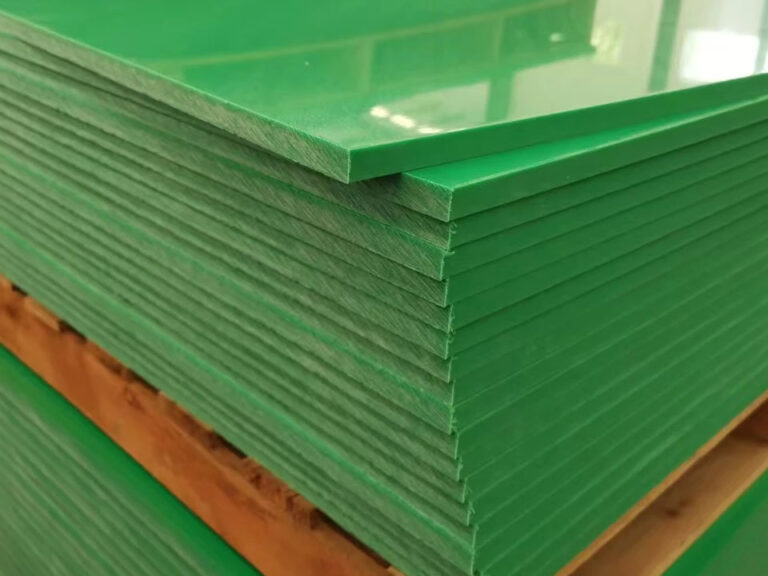
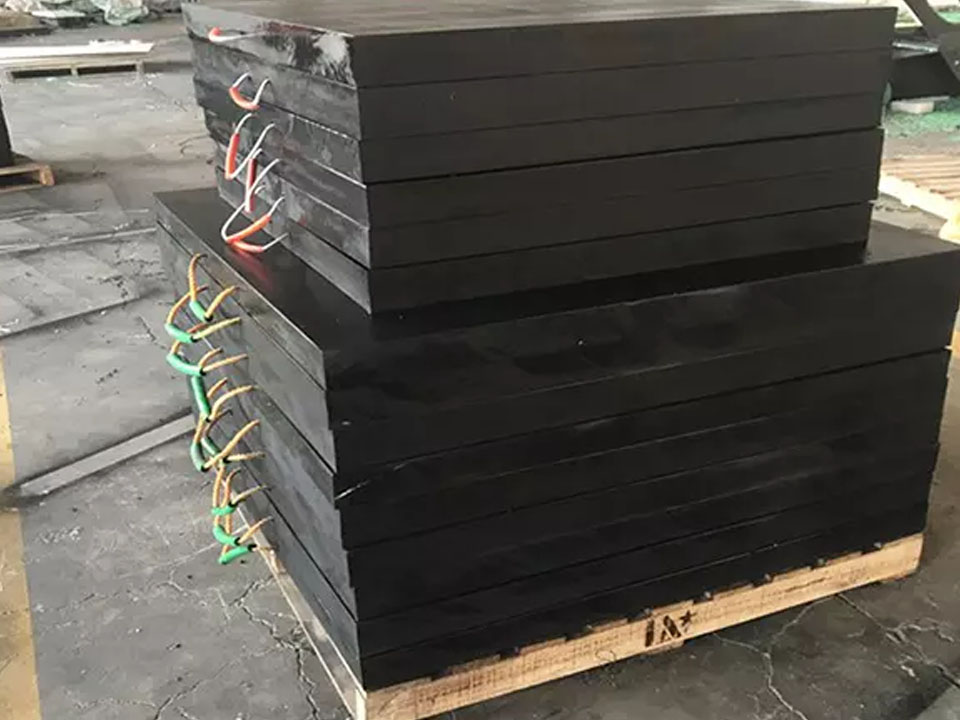
- UHMWPE outrigger pads and crane leg support pads
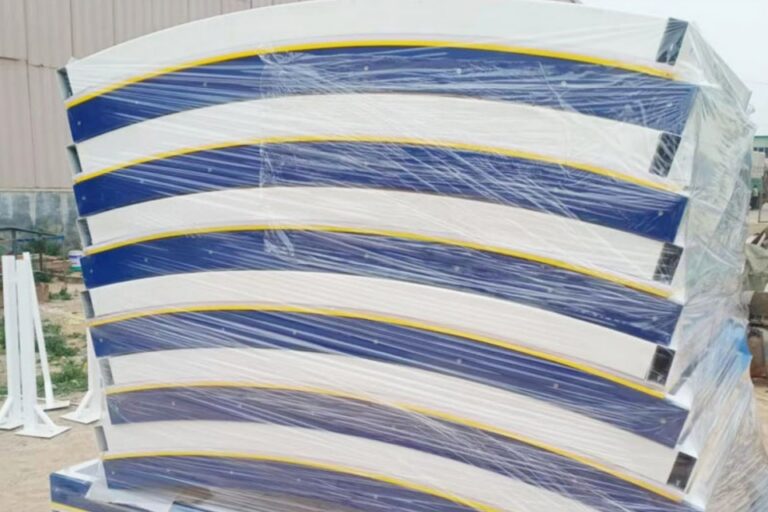
- UHMWPE stabilizer crane mat polyethylene outrigger pads
- Crane mats supplier for polyethylene stabilizer and outriggers
- UHMWPE plate for heavy engineering machinery and cranes
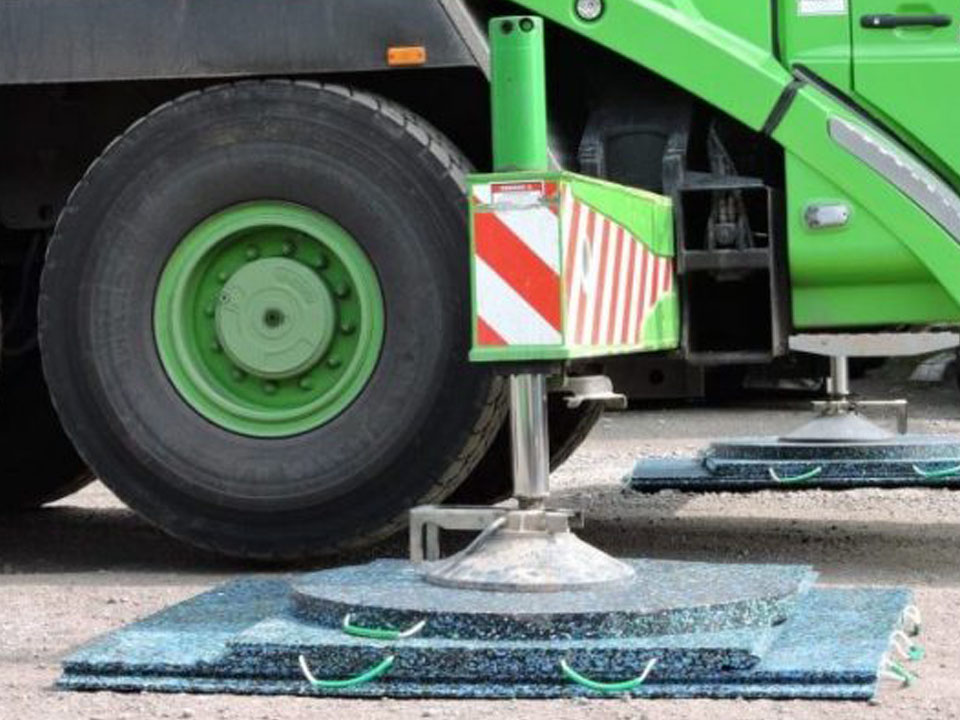
And yes, I’m saying the quiet part out loud: the material is rarely the root cause when a crane goes over. OSHA’s Feb 2024 release on an August 2023 Palm Bay incident explicitly called out failure to position the crane on a stable foundation using adequate cribbing to support outriggers (alongside other violations). OSHA Palm Bay case.
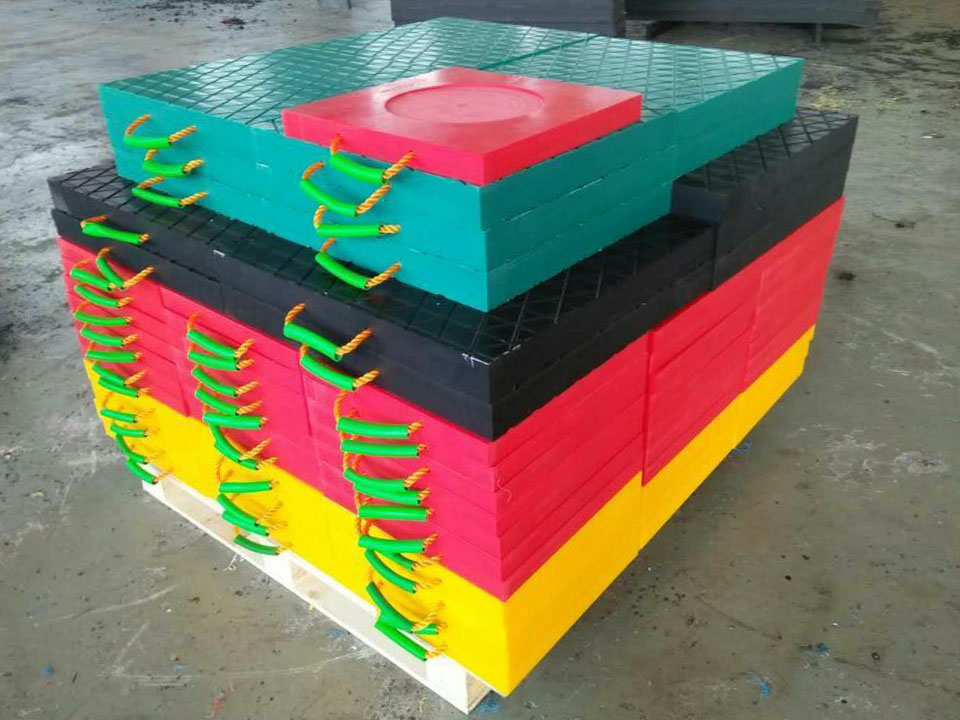
Reality-based lifespan ranges you can actually budget against
| Product type | Duty Class A | Duty Class B | Duty Class C | What usually ends it |
|---|---|---|---|---|
| Solid timber crane mats | 8–15 years | 4–8 years | 1–4 years | edge blowouts, deep checking, rot at hardware, crushing at outrigger contact |
| Laminated timber mats | 6–12 years | 3–6 years | 1–3 years | delamination, fastener pullout, water ingress between laminations |
| HDPE/composite access mats | 10–20 years | 6–12 years | 3–8 years | gouging, warping from heat storage, connector failures, UV aging |
| UHMWPE outrigger pads | 10–20+ years | 7–15 years | 3–10 years | creep/compression set, edge cracking, heat/UV storage abuse, undersizing (pressure too high) |
Those ranges are intentionally wide because the inputs are wide. If you want to tighten them, track two things like an adult:
- Peak load per outrigger (from the lift plan, not “it’ll be fine”)
- Ground condition category (dry compacted aggregate, wet clay, engineered fill, etc.)
Then you can build a replacement reserve that’s more defensible than “every X years.”
Inspection signals that matter more than age
A mat/pad retirement decision should be triggered by loss of structural function, not cosmetics.
- Timber: deep splits that run through thickness, crushed zones that don’t rebound, soft rot around hardware, permanent bowing
- Composite: through-cracks, connector tearing, deformation that creates rocking, severe gouging at bearing areas
- UHMWPE pads: visible cracking, permanent dish (compression set), glazing + deep scoring that concentrates stress
If your yard stacks pads in direct sun all summer, don’t act surprised when “20-year material” starts behaving like 5-year material.
FAQs
How long do crane mats last on average?
Crane mats typically last 4–10 years in mixed real-world use, but “average” only makes sense when you specify load cycles, handling damage, moisture exposure, and storage; the same mat can survive a decade in controlled staging and be junk in 18 months under heavy picks, wet subgrade, and fork abuse.
How long do outrigger pads last?
Outrigger pads commonly last 7–15 years when correctly sized to keep ground pressure reasonable and stored out of UV/heat, but they can fail far earlier when crews undersize pads, park heavy loads for long holds (creep), or ignore unstable foundations—exactly the kind of setup OSHA keeps citing after incidents.
What shortens crane mat lifespan the fastest?
The fastest lifespan killer is edge and handling damage compounded by soft ground, because once corners and bearing zones are crushed or split, the mat stops distributing load evenly and starts concentrating stress; from there you get accelerated cracking, settlement, rocking, and the kind of outrigger “give-way” scenarios OSHA documents after tip-overs. (DOL)
How do I extend crane mat life without gambling safety?
Extending crane mat life means reducing peak contact pressure, preventing edge trauma, and controlling moisture/UV storage, which looks like correct pad sizing, using sacrificial cribbing where needed, banning fork-tine stabbing, rotating bearing zones, and storing flat, shaded, and drained; it’s boring discipline, not magic coatings.
Do composite mats outlast timber mats?
Composite mats often outlast timber in wet, muddy, or high-traffic access work because they resist water-driven decay, but timber can compete or win in controlled lift pads when it’s thick, maintained, and protected from edge abuse; the deciding factor is usually handling culture, not brochure specs.
Final words
If you’re trying to position a warranty or build a capex plan that doesn’t get laughed out of a safety review, write back with your crane model, max outrigger load, ground type, and storage method—and I’ll map your operation to a tight duty-class lifespan band plus an inspection/retirement rule you can defend in writing.